Your bearded dragon hasn’t eaten in five days. It’s sleeping more than usual, barely moves when you open the enclosure, and looks like it’s completely checked out. Your first instinct is to panic. Something must be wrong. But if this is happening in the fall or winter months, there’s a good chance your beardie is just going into brumation. Recognizing bearded dragon brumation signs early saves you a lot of stress and keeps you from rushing to the vet over something that’s completely natural.
Brumation is the reptile version of hibernation. It’s a biological slowdown triggered by seasonal changes in light and temperature. In the wild, bearded dragons brumate during the cooler months in Australia to conserve energy when food is scarce and conditions aren’t ideal. Captive beardies still carry that instinct, even though their enclosure temperature stays the same year round. Their internal clock knows what season it is, and some dragons will brumate every year like clockwork while others never do it at all.
The Most Common Bearded Dragon Brumation Signs
The first thing most keepers notice is a drop in appetite. Your dragon goes from demolishing a full salad and a dozen dubia roaches to barely glancing at food. This usually happens gradually over a week or two, not overnight. A dragon that ate normally yesterday and refuses everything today might have a different issue entirely.
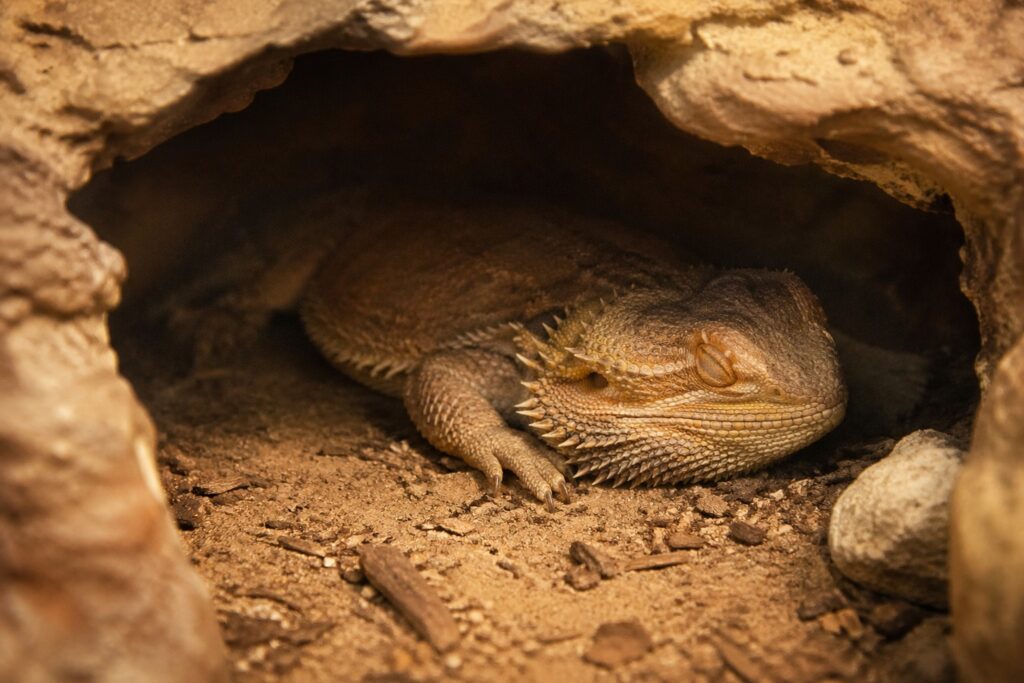
Increased sleeping is the other big one. A brumating beardie will spend more and more time hiding, often tucking itself into the coolest corner of the enclosure or burying under substrate. Some will sleep for days at a time, only waking briefly to drink water or shift position. This looks alarming when you’re used to seeing your dragon basking and alert every morning, but during brumation it’s completely normal.
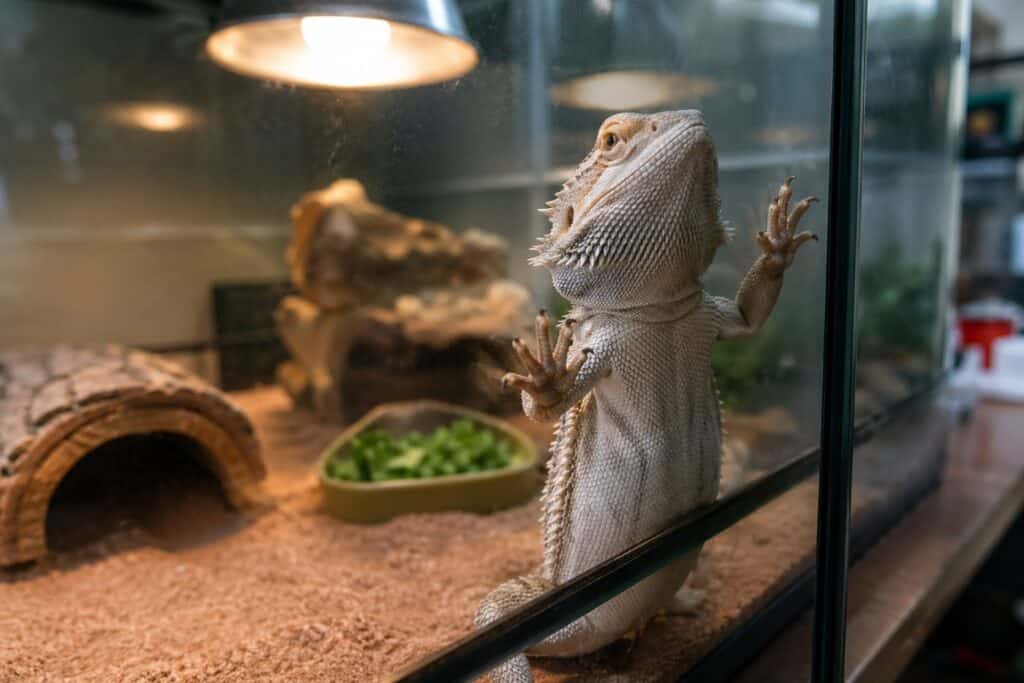
You might also notice your dragon becoming less responsive to handling. A beardie that normally runs to the front of the glass when it sees you might just sit there with its eyes half closed. Some will tolerate being picked up but seem annoyed and sluggish about it. Others will tuck themselves so deep into a hide that you can barely see them.
Reduced activity overall is the pattern. Less eating, less basking, less moving, more sleeping. If all of those things are happening together and it’s somewhere between October and February, brumation is the most likely explanation.
Bearded Dragon Brumation Signs vs Sickness: How to Tell the Difference
This is the part that terrifies every beardie owner, and honestly it’s the hardest part to navigate. A sick bearded dragon and a brumating bearded dragon can look similar at first glance. Both eat less, move less, and seem off. But there are key differences.
A brumating dragon looks healthy. Its body weight stays relatively stable, its eyes aren’t sunken, its skin looks normal, and there’s no discharge from the nose or mouth. It’s just sleeping a lot and not interested in food. When you do wake it up, it might be slow and groggy but it doesn’t look weak or disoriented.
A sick dragon shows additional symptoms beyond just being inactive. Watch for rapid weight loss, black beard that stays dark for long periods, sunken or swollen eyes, mucus around the nostrils, twitching or tremors, runny or discolored stool, and any lumps or swelling. If your dragon is showing any of those alongside the lethargy and appetite loss, skip the brumation theory and get a vet appointment.
One practical test is offering water. A brumating beardie will usually still drink if you drip water on its snout or give it a shallow lukewarm bath. A very sick dragon might refuse water entirely or seem too weak to drink. Hydration is one of the most reliable indicators of whether your dragon is shutting down normally or struggling.
Do You Need to Change Anything in the Enclosure
This is where keepers disagree and the advice gets confusing. Some breeders recommend lowering the basking temperature and reducing the light cycle to mimic natural seasonal changes. Others say leave everything exactly as it is and let your dragon decide how deeply it wants to brumate.
For most pet owners, the safest approach is somewhere in the middle. Keep your UVB and basking light on their normal schedule. If your dragon is actively avoiding the basking spot and spending all its time on the cool side or in a hide, that’s fine. It knows what it needs. You don’t have to force it to bask. But keeping the lights available means your dragon can thermoregulate whenever it does wake up, which matters for immune function even during brumation.
You can reduce the light cycle slightly if you want to match natural daylight hours. Dropping from 14 hours down to 10 or 11 hours of light during winter months is reasonable and may help your dragon settle into brumation more comfortably. Just don’t turn everything off completely. A beardie that wakes up in a cold, dark enclosure with no way to warm itself is at risk for respiratory issues.
Always keep fresh water available. Even deeply brumating dragons will wake up periodically and drink. Some keepers offer a shallow bath once a week during brumation to keep hydration up. If your dragon tolerates it without too much stress, it’s a good practice.
What About Feeding During Brumation
If your beardie isn’t eating, don’t force it. One of the worst things you can do is stuff insects into a brumating dragon’s mouth hoping it’ll eat. A dragon that isn’t basking regularly can’t digest food properly. Undigested food sitting in the gut can rot and cause serious bacterial infections. This is genuinely dangerous.
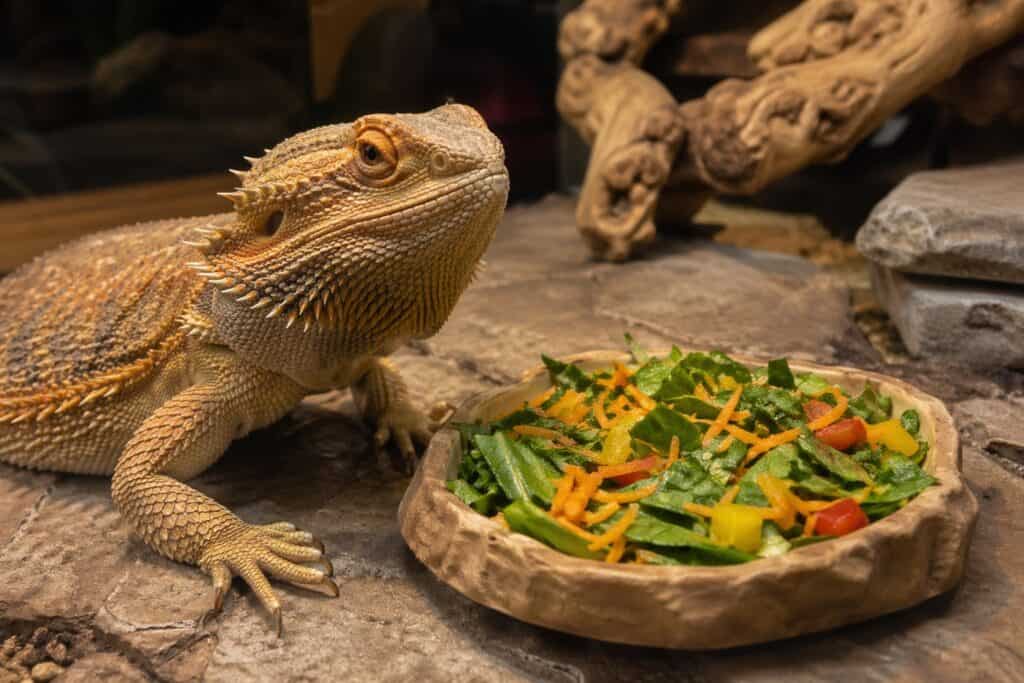
Offer food every few days by placing a small salad in the enclosure. If your dragon eats it, great. If not, remove it after a few hours and try again in a couple of days. Don’t offer insects unless your dragon is actively basking and showing real interest. The salad is the safer option because greens won’t cause the same impaction risk as an undigested cricket sitting in a cold gut.
Most healthy adult bearded dragons can go several weeks without eating during brumation with no ill effects, as long as they were at a healthy weight going in. This is where tracking your dragon’s weight over time becomes really valuable. If you’ve been logging weights regularly using the Exotic Reptile Care app, you’ll know exactly what your beardie weighed going into brumation and can monitor for any concerning drops. A dragon that loses more than 10 percent of its body weight during brumation should be evaluated by a vet.
Young Bearded Dragons and Brumation
Juveniles under a year old sometimes try to brumate, and this is where you need to be more cautious. A baby or juvenile beardie doesn’t have the fat reserves that an adult does, and a prolonged fast can stunt growth or weaken their immune system. Most experienced keepers and reptile vets recommend gently discouraging brumation in young dragons by maintaining higher temperatures, keeping the light cycle at 12 to 14 hours, and continuing to offer food regularly.
If a juvenile is showing bearded dragon brumation signs but still occasionally eating and basking, just keep the routine going and let them be a little sleepier than normal. If a juvenile completely stops eating for more than a week and won’t bask at all, a vet visit is a good idea to rule out parasites or other health problems that might be mimicking brumation behavior.
How Long Does Brumation Last
There’s no set timeline. Some bearded dragons brumate for two weeks. Others go for three months. The average is somewhere around four to eight weeks, but your dragon didn’t read the care sheets and it’ll come out when it’s ready.
You’ll know brumation is ending when your beardie starts spending more time out in the open, returns to the basking spot, and shows interest in food again. This usually happens gradually. Don’t expect your dragon to go from dead asleep to full appetite overnight. It might take a week or so for eating and activity to return to normal.
Once your dragon is fully out of brumation, offer a lukewarm bath to help with hydration and a small meal of greens before reintroducing insects. Ease back into the full feeding schedule over several days rather than dumping a pile of roaches in on day one.
For a deeper look at what brumation looks like across different stages, ReptiFiles has a thorough guide on the topic that covers the full cycle from start to finish.
Brumation is one of those things that sounds scary until you’ve been through it once. After your first season, you’ll recognize the bearded dragon brumation signs right away and know exactly what to expect. Keep water available, don’t force food, track their weight, and let your dragon do its thing.