
Reptile care guides that say what to actually do
Sixty-five guides for ball pythons, bearded dragons, leopard geckos, crested geckos, corn snakes, tortoises, skinks and less common species. Enclosure setup, feeding, heat, humidity and the problems that follow when those are wrong, researched from veterinary and herpetological sources rather than repeated from other blogs.
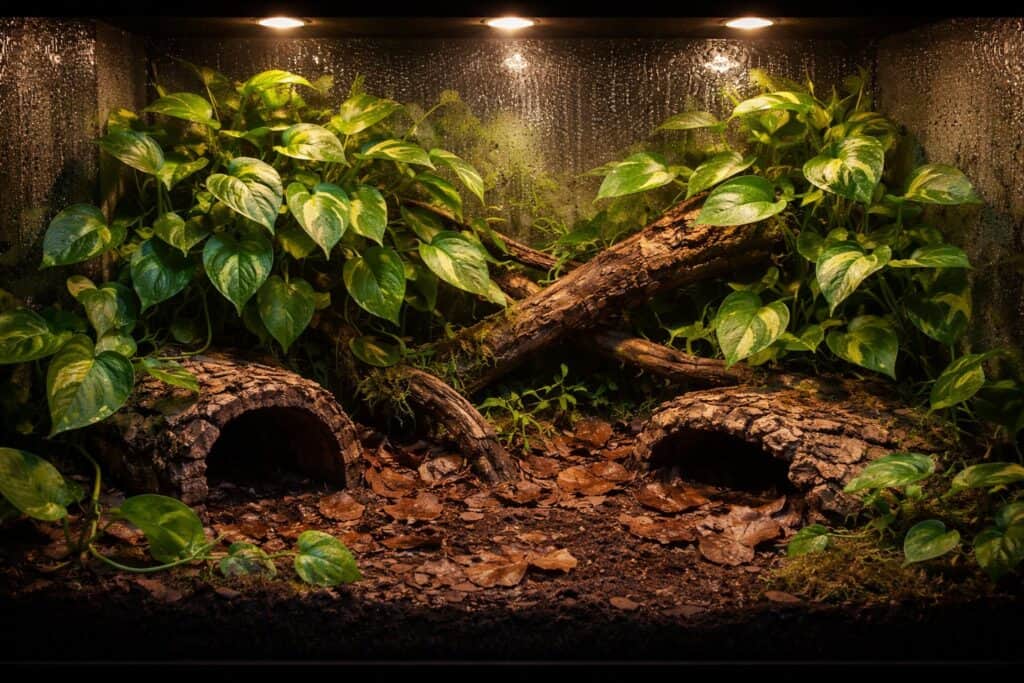
Start with the three questions keepers ask most
Substrate, supplements and a snake that will not eat. Get these right and most other problems never show up.
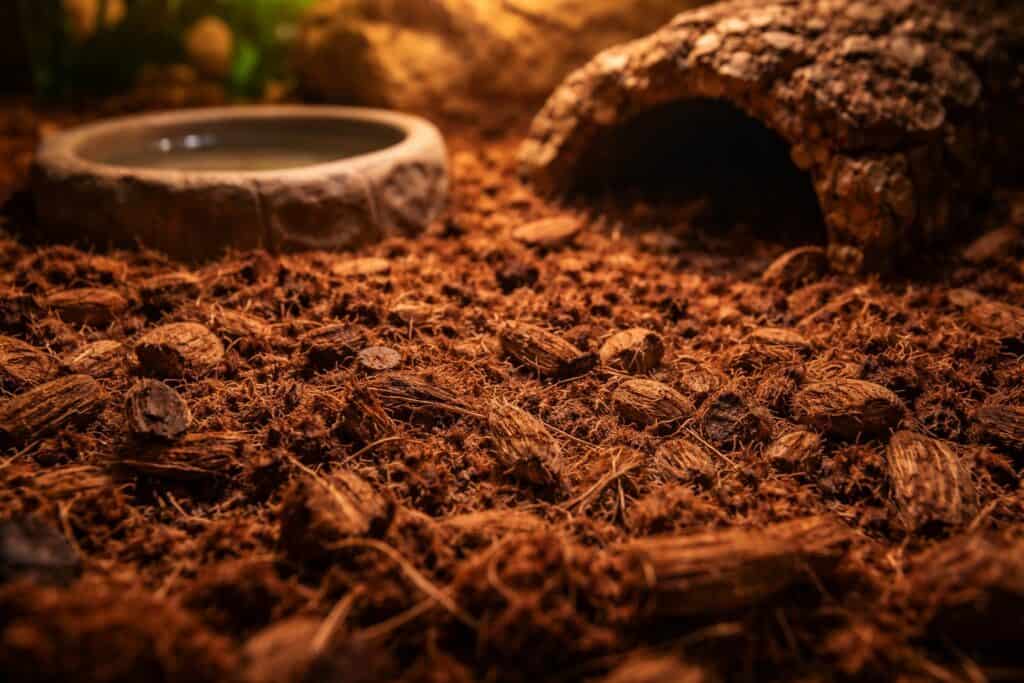
Best substrate for a ball python
Seven options ranked by how well they hold humidity without moulding, with the brands that work.
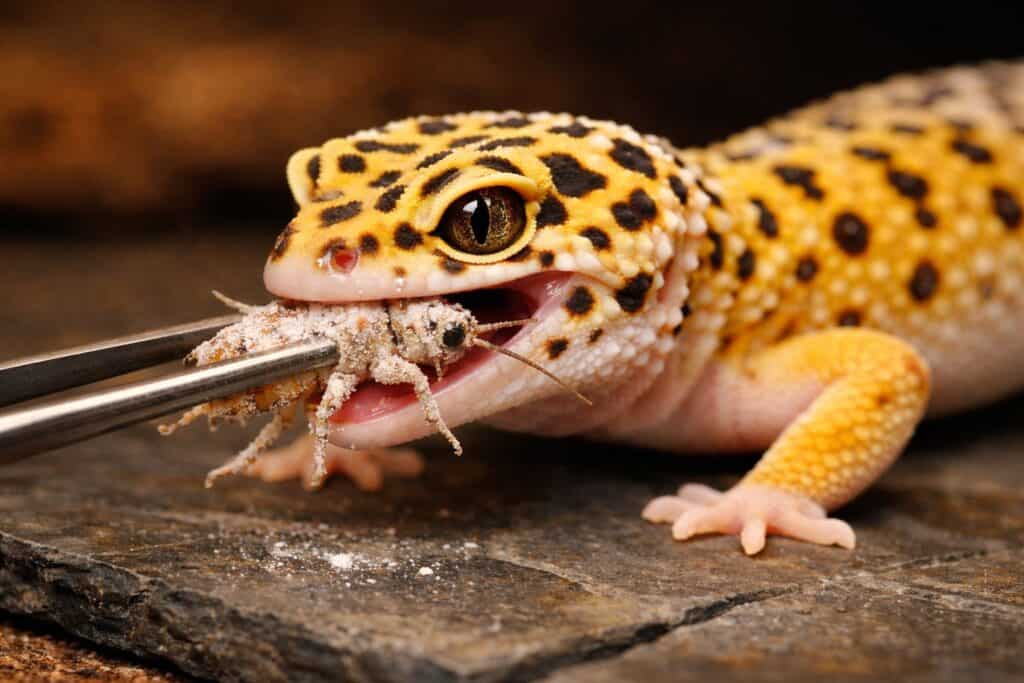
Leopard gecko calcium schedule
Plain calcium, calcium with D3 and multivitamin: which one, how often, and how UVB changes the answer.
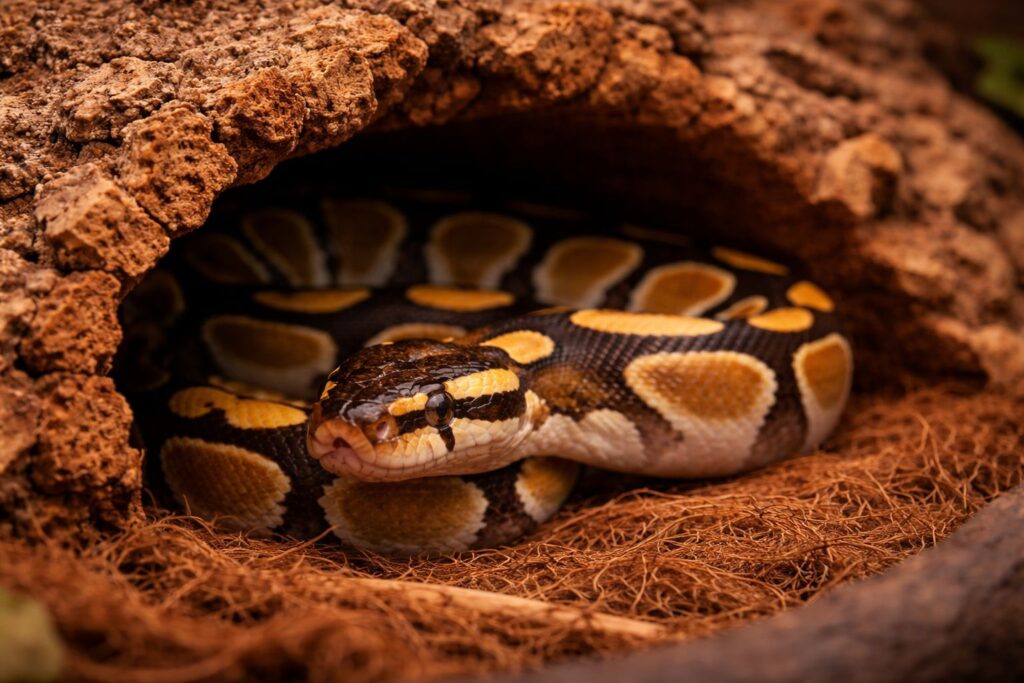
Ball python not eating after shed
Why a refusal right after a shed is usually normal, when it is not, and what to change before the next feed.
Care guides by species
Each species has its own set of guides covering setup, diet, temperatures and the problems specific to it.
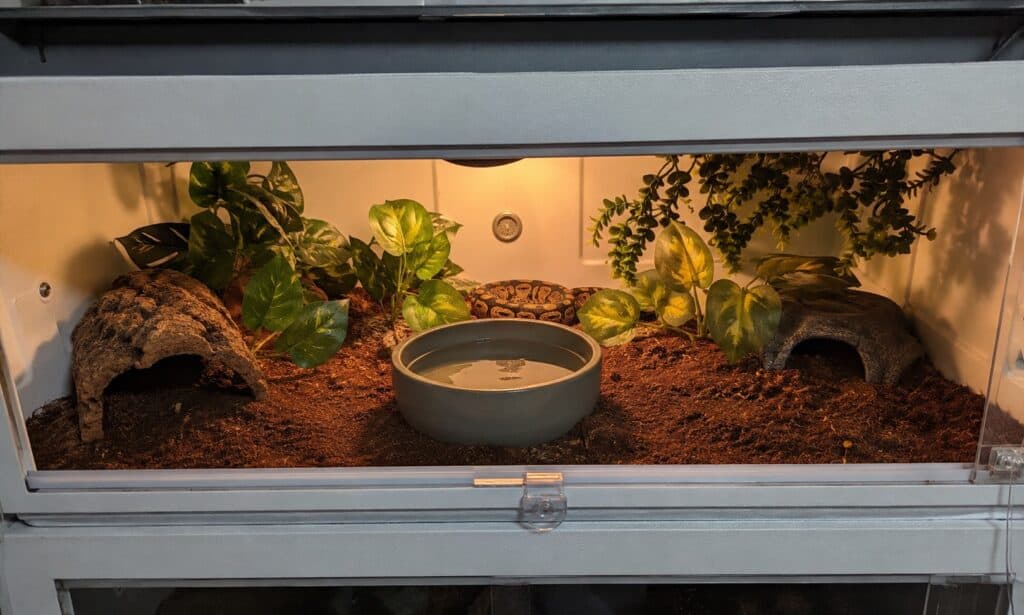

Bearded Dragons
Tank setup, diet by age, temperatures, and what individual foods are safe.
All 16 guides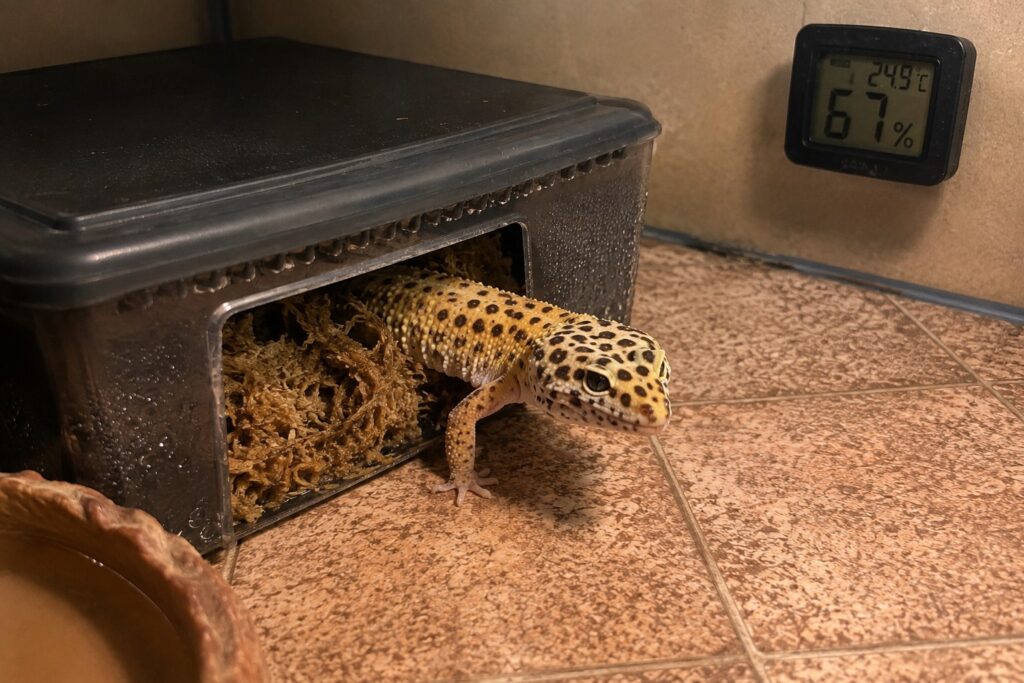
Leopard Geckos
Supplementation, humidity and appetite, and the problems that follow when they are wrong.
All 8 guides
Crested Geckos
Easy to keep alive and easy to keep badly. Diet, temperature and weight.
All 9 guides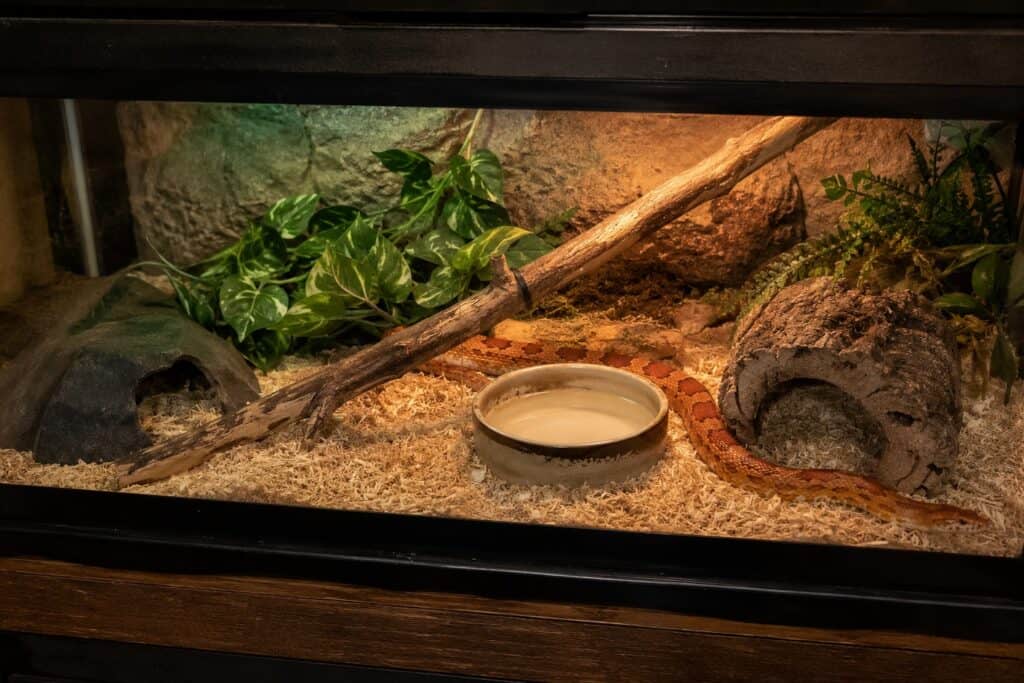
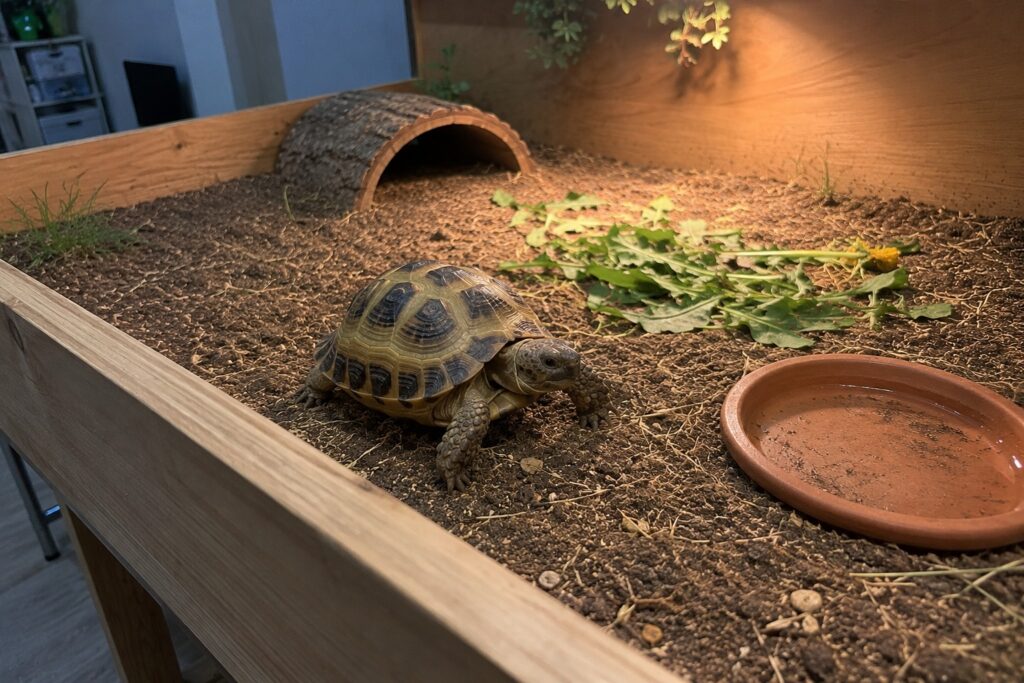
Tortoises and Turtles
Animals that outlive most keepers' expectations, and the setups they need to do it.
All 5 guides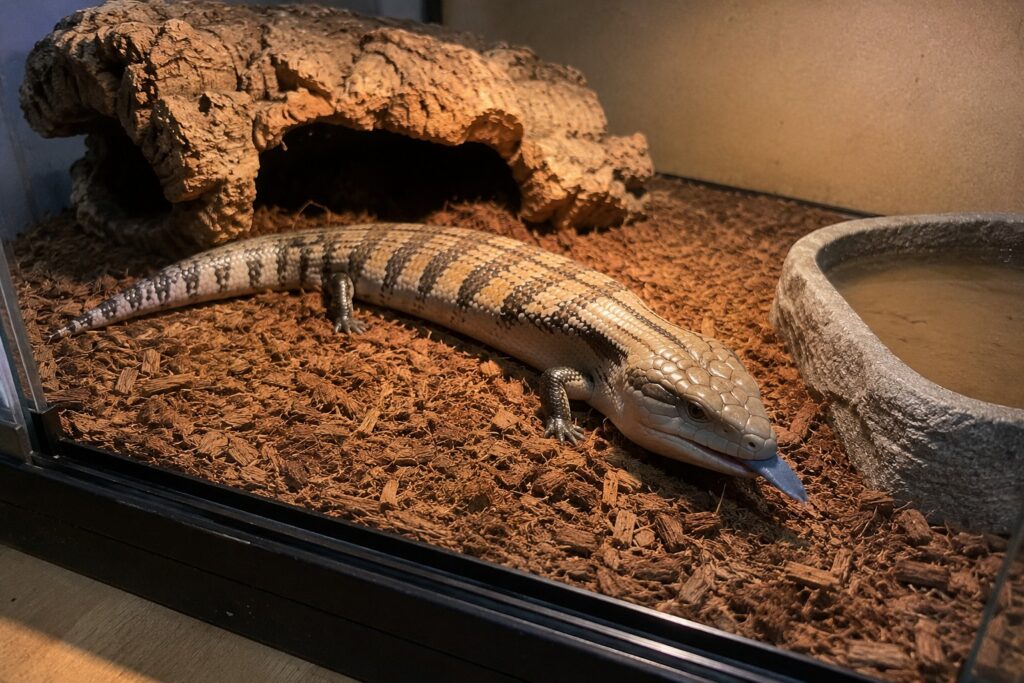

Less Common Species
Crocodile skinks, ackie monitors, gargoyle and mourning geckos, chameleons. Species with little reliable information online.
All 7 guidesSomething wrong? Start with the symptom
Most reptile problems trace back to heat, humidity or diet. These guides work backwards from what you are seeing to what to fix.
Not eating
Shedding problems
Heat and humidity
Odd behaviour
Every guide on the site
All sixty-five, grouped by species. New guides are added here as they publish.
Ball Pythons
- Ball Python Enclosure Setup Guide for Beginners (2026)
- Best Substrate for Ball Python: 7 Options Ranked
- Ball Python Feeding Schedule by Age: A Full Guide
- Ball Python Humidity Too Low? How to Fix It Fast
- Ball Python Not Eating After Shed? Here's What to Do
- Ball Python Stuck Shed: 5 Safe Ways to Fix It Fast
- Ball Python Sitting in Water Bowl? 5 Easy Fixes
- Ball Python Scale Rot: 6 Early Signs to Catch Now
Bearded Dragons
- 5 Costly Bearded Dragon Tank Mistakes to Avoid
- Bearded Dragon Food: Complete Diet Guide by Age (2026)
- Bearded Dragon Basking Temperature Too High? 6 Easy Fixes
- Bearded Dragon Not Eating Greens? How to Fix It
- Bearded Dragon Glass Surfing: Why and How to Stop It
- Bearded Dragon Black Beard: 9 Causes and What to Do
- Bearded Dragon Brumation Signs: What to Look For
- How Big Do Bearded Dragons Get? Full Growth Chart
- How Long Do Bearded Dragons Live? Shocking Truth (2026)
Can bearded dragons eat…
- Can Bearded Dragons Eat Kale? 5 Rules for Safe Feeding
- Can Bearded Dragons Eat Carrots? Safe Feeding Guide
- Can Bearded Dragons Eat Broccoli? 5 Safe Feeding Rules
- Can Bearded Dragons Eat Cucumbers? Safe Feeding Guide
- Can Bearded Dragons Eat Tomatoes? Safe Feeding Guide
- Can Bearded Dragons Eat Strawberries? Feeding Guide
- Can Bearded Dragons Eat Grapes? Safe Feeding Guide
Leopard Geckos
- Leopard Gecko Enclosure: Essential Setup Guide (2026)
- Leopard Gecko Calcium Schedule: How Much & How Often
- Leopard Gecko Humidity: 6 Fixes for Stuck Shed
- Leopard Gecko Not Eating but Active? 7 Reasons Why (Fixes)
- Leopard Gecko Shedding Problems? How to Fix Them
- Leopard Gecko Impaction: 6 Warning Signs to Watch For
- Leopard Gecko Lifespan: 7 Proven Ways to Extend It
- Can Leopard Geckos Eat Fruit? 5 Reasons to Say No
Crested Geckos
- Crested Gecko Care: Complete Beginner Guide
- 7 Crested Gecko Enclosure Mistakes Most Beginners Make
- Crested Gecko Diet Schedule: What to Feed & When
- Crested Gecko Food: 7 Best Options and 5 to Avoid
- Crested Gecko Temperature: 5 Rules to Avoid Heat Stress
- Crested Gecko Humidity Too Low? 5 Easy Ways to Fix It
- Crested Gecko Not Eating? 7 Simple Fixes That Work
- Crested Gecko Losing Weight? How to Spot It and Fix It
- Crested Gecko Lifespan: 5 Key Secrets to a Longer Life 2026
Corn Snakes
Tortoises and Turtles
Blue Tongue Skinks
Less Common Species
- Red Eyed Crocodile Skink Care Guide for Beginners (2026)
- African Fat Tailed Gecko Care Guide for Beginners (2026)
- Mourning Gecko Care Guide for Beginners (2026)
- Gargoyle Gecko Care: 8 Essentials for New Keepers
- Ackie Monitor: Ultimate Care Guide for Beginners (2026)
- Ackie Monitor Enclosure: 7 Build Rules That Matter
- Chameleon Enclosure Setup: 6 Mistakes That Shorten Lifespan
Husbandry Basics

There is an app for the records these guides keep telling you to keep
Exotic Reptile Care is a free app for logging feedings, sheds and weight, with reminders for misting, cleaning and supplement days, and a profile for every animal you keep. iPhone and Android, no account needed, works offline.
Who writes this
Exotic Reptile Care is written and researched by Imad El Khafi. The guides are built from veterinary literature, herpetological references and established husbandry sources, cross-checked against each other rather than copied from whichever blog ranks first.
Reptile care advice online contradicts itself constantly, often on things as basic as temperature ranges and supplement schedules. Where sources genuinely disagree, that is said plainly instead of smoothed over into a single confident number.
Corrections are welcome and get acted on. If something here is wrong, tell me and I will check it against the sources and fix it. There is more about the site on the about page.
How every guide is put together
- Numbers are sourced. Temperature, humidity and supplement figures come from veterinary and herpetological references, not from whichever forum post ranks highest.
- Disagreements are flagged. When credible sources give different ranges, the guide says so and explains which to follow and why.
- Recommendations are specific. Where a guide recommends a substrate, supplement or heat source, it says which one and why, not just the category.
- Guides get revised. When better information turns up or a reader flags an error, it is checked against the sources and the guide is updated.