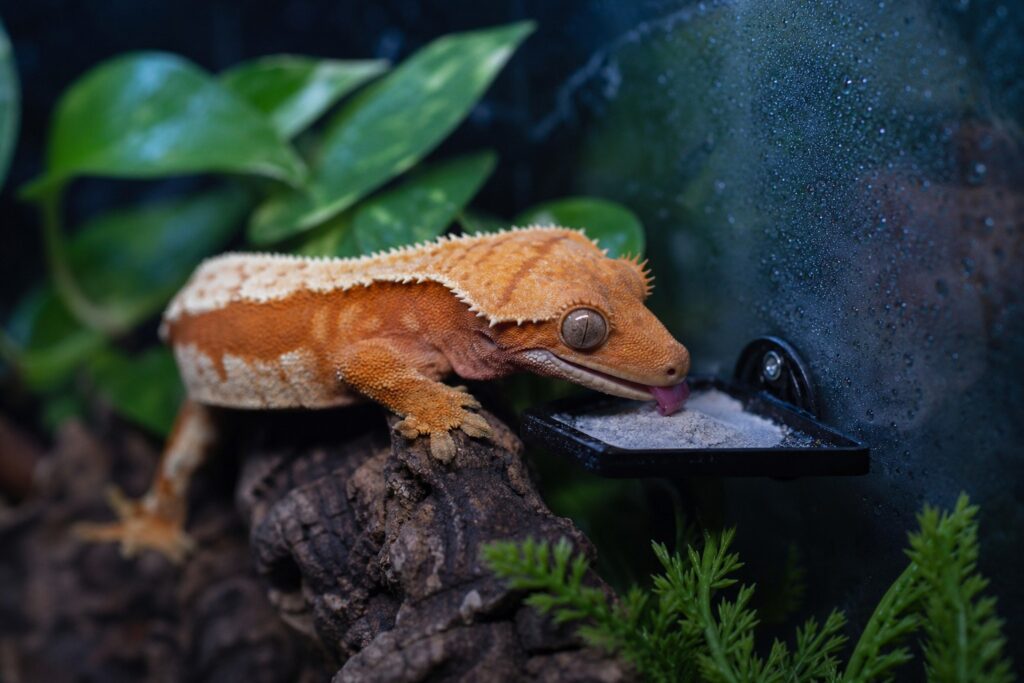
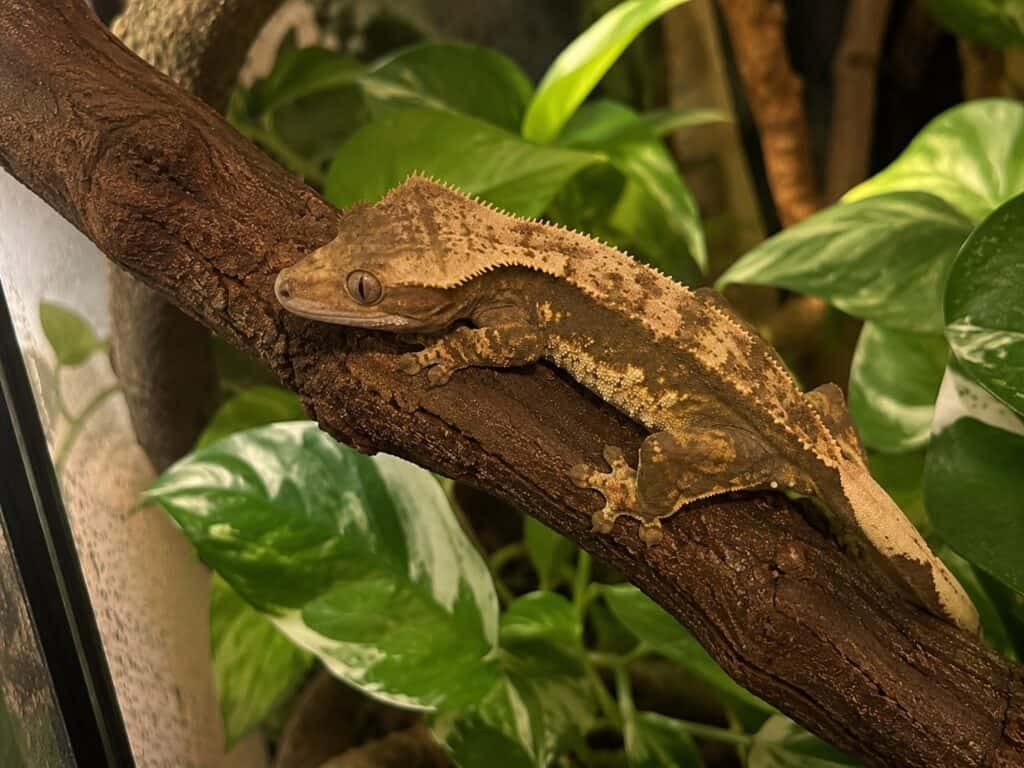
If you’re thinking about getting a crested gecko, one of the first questions you probably have is how long they live. The short answer is that the typical crested gecko lifespan in captivity is 15 to 20 years. Some have reportedly lived into their mid-20s. That’s a real commitment, closer to owning a dog or cat than the “starter pet” reputation geckos sometimes get.
But that 15 to 20 year range isn’t guaranteed. It depends heavily on how you care for them. The difference between a crested gecko that lives 8 years and one that lives 20 comes down to a handful of factors that are entirely within your control.
How Long Do Crested Geckos Live in Captivity vs the Wild?
In captivity, crested geckos routinely live 15 to 20 years with proper care. The oldest documented crested geckos are pushing past 25 years, though those numbers are still being established since the species has only been in the pet trade since the mid-1990s. They were literally thought to be extinct until they were rediscovered in New Caledonia in 1994, so the captive breeding history is relatively short compared to something like a leopard gecko or ball python.
In the wild, crested gecko lifespan is estimated at 5 to 15 years, though data is limited. Predators, food scarcity, disease, storms, and habitat pressures all take a toll. Captive geckos avoid all of that, which is why the difference is so dramatic.
The takeaway is simple: if you set up the right environment and stay consistent with care, your crested gecko should be with you for a very long time.
What Affects Crested Gecko Lifespan the Most
Not every crested gecko that gets adequate care makes it to 20. Several factors determine where in that range your gecko ends up.
Diet quality is probably the single biggest factor. Crested geckos are omnivores that eat a mix of commercial gecko diet (meal replacement powder like Pangea or Repashy) and live insects. A gecko fed only one brand of MRP with no insect variety is getting by, but not thriving. Rotating between different MRP flavors and offering gut-loaded insects like dubia roach nymphs, small crickets, or black soldier fly larvae two to three times per week provides the protein and micronutrient variety that supports long-term health. We covered the full feeding routine in our crested gecko diet schedule article if you want the details.
Calcium and supplementation can’t be overlooked. Without enough calcium and vitamin D3, crested geckos develop metabolic bone disease (MBD), which causes rubbery jaw, kinked spine, tremors, and a dramatically shortened life. Dust all feeder insects with calcium powder and make sure your gecko’s MRP contains adequate calcium. Providing low-output UVB lighting supports natural D3 synthesis and gives your gecko a meaningful health advantage over supplementation alone.
Temperature matters more than people think. Crested geckos are comfortable between 72 and 78 degrees Fahrenheit during the day, with nighttime drops to the upper 60s being fine. The problem is heat. Sustained temperatures above 82 to 85 degrees Fahrenheit are dangerous for crested geckos and can be fatal. This species does not tolerate heat the way bearded dragons or ball pythons do. If you live somewhere hot and don’t have air conditioning, a crested gecko might not be the right choice. Heat stress is one of the most preventable causes of early death in this species.
Humidity needs to stay in the 60 to 80 percent range, with daily misting that creates a spike followed by a natural drying period. Consistently low humidity leads to dehydration, stuck sheds, and respiratory issues. Consistently high humidity with no ventilation leads to mold, skin infections, and respiratory problems from the other direction. The cycle of wet and dry is what mimics their natural rainforest conditions.
Stress is the silent killer. Crested geckos that are handled too often, housed with aggressive cage mates, kept in overly bright or exposed enclosures, or constantly disturbed will suffer chronic stress that weakens their immune system and shortens their crested gecko lifespan over time. Provide plenty of cover, keep handling sessions reasonable, and house them individually or in well-matched pairs with enough space.
Signs Your Crested Gecko Is Aging
Crested geckos don’t show their age the way dogs or cats do, but there are subtle changes you’ll notice over the years.
Older geckos tend to be less active. They still move around at night, but you’ll notice fewer of those dramatic leaps across the enclosure. Appetite may decrease slightly, and some older geckos become pickier about food. Colors can dull a bit with age, and the skin loses some of its elasticity.
Weight loss in an older gecko should be taken seriously. A gradual decline in body condition could indicate organ issues, parasites, or dental problems. If your crested gecko is over 10 years old and starting to lose weight despite eating normally, a vet visit is warranted.
The tail, or lack thereof, is worth mentioning. Crested geckos can drop their tails when stressed, and unlike many other gecko species, the tail does not grow back. Losing the tail doesn’t directly shorten crested gecko lifespan, but it does remove a fat reserve that could matter during illness or periods of reduced appetite later in life. Avoid stressing your gecko and minimize rough handling to keep the tail intact.
How to Help Your Crested Gecko Live Longer
There’s no magic trick here. Longevity comes from doing the basics well, consistently, for years.
Keep the enclosure at the right temperature and humidity. Feed a varied diet with proper supplementation. Provide UVB lighting. Keep the enclosure clean but don’t overdo it. Handle gently and give your gecko downtime. Watch for early signs of illness like weight loss, stuck sheds, mouth discoloration, or lethargy, and act on them instead of waiting.
The biggest edge you can give your gecko is tracking its health data over time. A weight check every two to four weeks, logged consistently, creates a trendline that tells you exactly how your gecko is doing. If weight starts dropping gradually, you’ll catch it months before it becomes a visible problem. Same with feeding patterns. If your gecko suddenly stops eating for a week, that means something different at 2 years old versus 15 years old.
The Exotic Reptile Care app is designed for exactly this kind of long-term tracking. Weight logging with growth charts, feeding records, shed tracking, and care reminders all in one place. When you’re caring for an animal that lives 15 to 20 years, having that history accessible on your phone matters more than you’d think.
Common Crested Gecko Health Problems That Shorten Lifespan
Most health issues that cut crested gecko lifespan short are preventable.
Metabolic bone disease (MBD) from calcium deficiency is the big one. It’s progressive and difficult to reverse once advanced. Prevention is straightforward: calcium supplementation, varied diet, and UVB lighting.
Obesity is increasingly common. Overfeeding MRP, especially fruit-heavy formulas, without enough insect protein leads to fat deposits and liver problems. Monitor weight and adjust portions as needed.
Respiratory infections from chronically poor humidity or ventilation cause wheezing, mucus, and open-mouth breathing. These require veterinary treatment with antibiotics.
Egg binding affects breeding females that don’t have enough calcium reserves or a proper laying site. Even females housed alone can produce infertile eggs, so calcium intake and a lay box with moist substrate should always be available.
If your crested gecko has been losing weight and you’re not sure why, our troubleshooting guide walks through the most common causes and what to do about each one.
A 20-Year Commitment
A crested gecko lifespan of 15 to 20 years means this isn’t an impulse pet. It’s a commitment that will follow you through college, career changes, moves, and maybe the first decade of your kid’s life. That’s part of what makes them rewarding. You build a real history with these animals.
The care isn’t hard. Crested geckos are one of the most forgiving reptile species when it comes to setup and routine, and our crested gecko care guide walks through the whole picture from day one. But they do need consistency over years, not just weeks. Get the enclosure right, feed a proper diet, track the basics, and your crested gecko has every chance of making it to the upper end of that 15 to 20 year range.
For more on caring for your crestie, see our crested gecko enclosure setup guide.
Crested gecko lifespan: frequently asked questions
How long do crested geckos live?
The typical crested gecko lifespan in captivity is 15 to 20 years, with the oldest documented individuals pushing past 25. That’s closer to owning a dog or cat than the “starter pet” reputation geckos sometimes get. In the wild the range is shorter, an estimated 5 to 15 years, because predators, food scarcity, and disease take a toll that captive geckos avoid.
What is the oldest a crested gecko has lived?
Documented crested geckos have reached their mid-20s, though these numbers are still being established. The species was only rediscovered in New Caledonia in 1994 and has been in the pet trade since the mid-1990s, so the captive breeding history is short compared to leopard geckos or ball pythons. As more geckos age in captivity, the known ceiling may rise.
What shortens a crested gecko’s lifespan the most?
Heat stress is one of the most preventable causes of early death, since sustained temperatures above 82 to 85°F can be fatal to a species that doesn’t tolerate heat. Poor diet leading to metabolic bone disease, chronic low or high humidity, and ongoing stress are the other major factors. The good news is that all of them are within your control.
Do crested geckos live longer than leopard geckos?
They’re comparable. Crested geckos average 15 to 20 years and leopard geckos often reach 15 to 20 as well, with some leos living longer. Both are long-lived reptiles that outlast most people’s expectations, so either one is a genuine long-term commitment rather than a short-term pet.
How can I help my crested gecko live longer?
There’s no trick, just doing the basics well for years. Hold temperatures at 72 to 78°F, keep humidity cycling in the 60 to 80 percent range, feed a varied diet with proper calcium and ideally UVB, handle gently, and act early on warning signs like weight loss or stuck sheds. Consistency over years, not weeks, is what pushes a gecko to the upper end of the range.
Why is tracking weight important for a long-lived gecko?
Because a crestie lives 15 to 20 years, slow changes are easy to miss without a record. A weight check every two to four weeks builds a trendline that reveals a gradual decline months before it’s visible, and the meaning of a change shifts with age, since a week off food means something different at 2 years old than at 15. Logging weight, feedings, and sheds in the Exotic Reptile Care app keeps that whole history on your phone, which fits naturally into a consistent care routine over the animal’s long life.