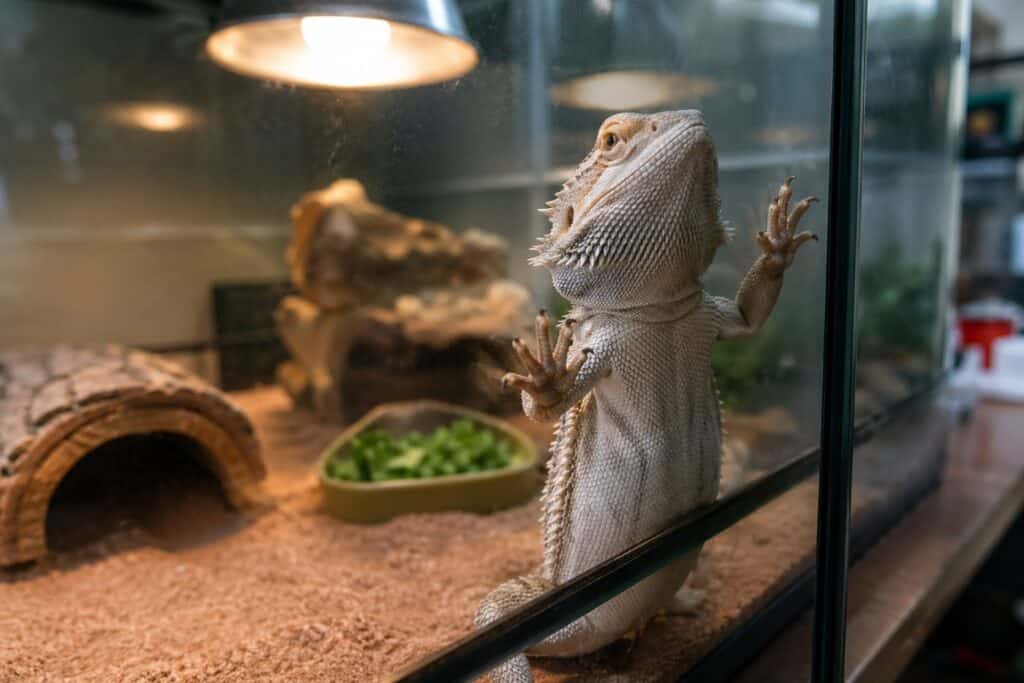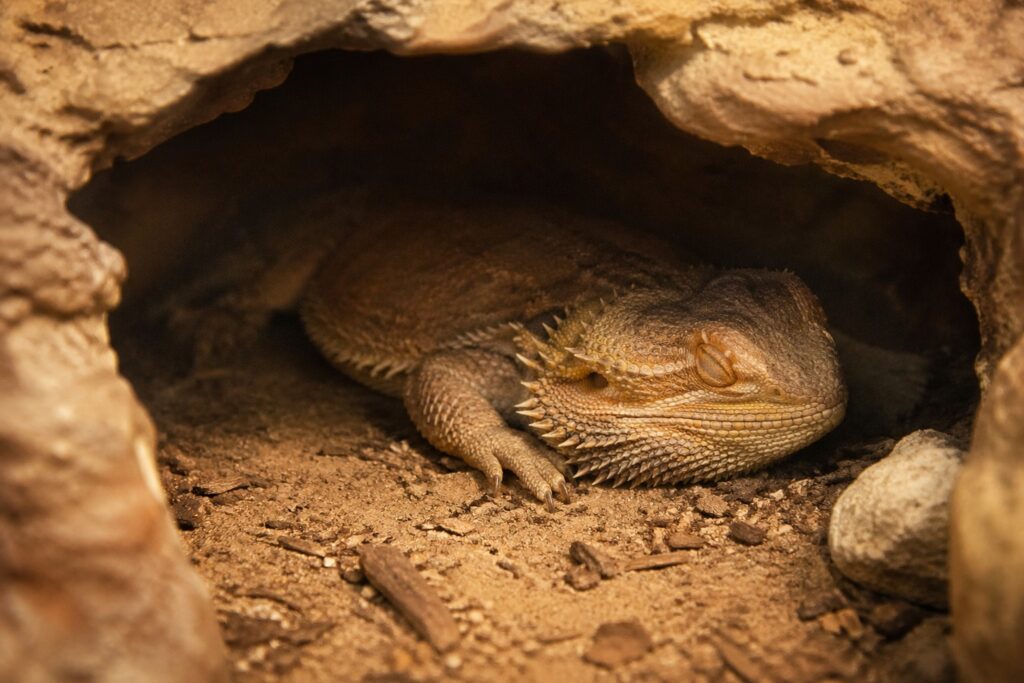
If your bearded dragon not eating greens is becoming a daily frustration, you’re definitely not alone. This is probably the single most common feeding complaint among beardie owners. You set down a beautiful salad of collard greens and squash, and your dragon looks at it like you just insulted their entire bloodline. Then they stare at you, waiting for the crickets. Every. Single. Time.
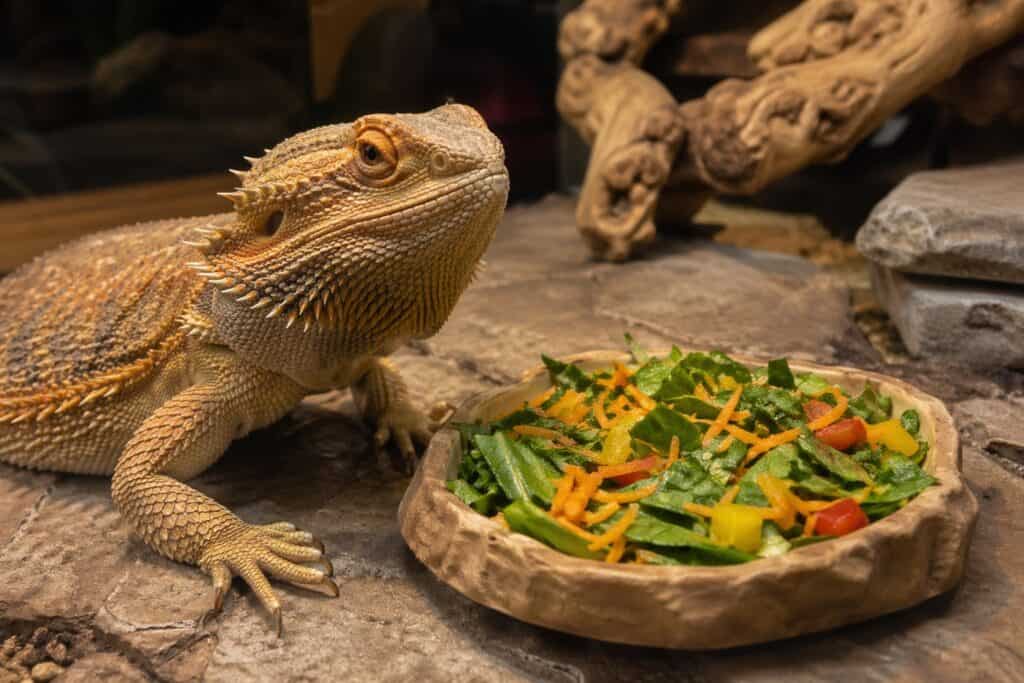
The thing is, adult bearded dragons need greens to make up roughly 70 to 80 percent of their diet. Insects are important too, but they can’t live on bugs alone forever. So getting your beardie to eat its vegetables isn’t just a preference thing. It’s a health thing. Let’s get into why they refuse and what actually works to turn it around.
Why Your Bearded Dragon Won’t Eat Greens
Most of the time, this comes down to one simple fact. Bugs taste better. Insects move, they trigger your dragon’s hunting instinct, and they’re basically reptile junk food. If your beardie learned early on that refusing greens long enough means you’ll cave and toss in some dubia roaches, congratulations. Your dragon has trained you.
But there are other reasons too. Young bearded dragons are naturally more insect-heavy in their diet, so a juvenile under 12 months old skipping greens isn’t quite as alarming. Their diet should be closer to 60 to 70 percent insects at that age anyway. The real problem starts when an adult dragon over a year old still won’t touch anything green.
Lighting can also play a role. If your UVB bulb is old, weak, or mounted too far from the basking spot, your dragon might not have enough appetite overall. A T5 linear UVB fixture is the standard recommendation, and most bulbs need replacing every 6 months even if they still look like they’re working. Bad UVB means poor calcium metabolism, which means a sluggish dragon with a weak appetite.
Temperature matters just as much. If the basking spot isn’t hitting 100 to 110 degrees Fahrenheit, your beardie literally can’t digest food properly. Cold dragons don’t eat. And when they do eat, they go for the highest energy option available, which is insects. So before you blame the salad, check your setup.
The Biggest Mistake When Your Bearded Dragon Won’t Eat Greens
Here’s what happens in a lot of homes. The keeper offers a salad in the morning, the dragon ignores it, so they dump in some crickets or roaches to make sure the dragon eats something. The dragon inhales the bugs. The greens sit there wilting until the keeper throws them out.
Repeat that for a few weeks and your dragon learns the pattern. Why eat the boring stuff when the good stuff always shows up eventually?
If your bearded dragon not eating greens has become a daily battle, the fix sounds harsh but it works. Offer greens first thing in the morning and don’t offer any insects until your dragon has at least picked at the salad. For adult beardies, you can even skip insects entirely for a day or two. A healthy adult beardie is not going to starve from missing a couple of bug meals. They will, however, get a little more interested in what’s sitting in their bowl.
This doesn’t mean you withhold food for days. It means you change the order. Greens go in first, bugs come later in the afternoon, and only after the salad has had some time in the enclosure. Some keepers feed insects just three or four times per week for adults and offer greens daily. That schedule alone often fixes the problem within a couple of weeks.
Which Greens Actually Work
A bearded dragon not eating greens is sometimes just reacting to the wrong greens. Not all greens are created equal, and some are a lot more appealing than others. If you’ve been offering plain romaine or spinach, that might be part of the issue. Romaine is mostly water with little nutrition, and spinach actually binds calcium, so it shouldn’t be a staple anyway.
The greens that most beardies respond well to include collard greens, mustard greens, dandelion greens, and turnip greens. These are your daily rotation staples. Endive, escarole, and bok choy work well too. Some dragons also go crazy for butternut squash, shredded carrot, and bell pepper mixed in.
The trick that gets a lot of picky eaters started is mixing tiny pieces of fruit into the salad. A few small chunks of mango, blueberry, or strawberry scattered through the greens can get your dragon interested enough to start eating. They go for the fruit and accidentally eat some greens along the way. Over time, you reduce the fruit until they’re eating the salad on its own. Fruit should stay under 10 percent of the overall diet though, because the sugar content is too high for daily feeding.
Another thing that works surprisingly well is making the salad move. Sounds weird, but hear me out. Bearded dragons are visual hunters. If you toss a couple of small insects on top of the salad, your dragon will go after them and end up biting into greens in the process. Calcium-dusted black soldier fly larvae work great for this because they’re slow and sit right on top of the leaves.
Presentation Actually Matters
This sounds silly, but how you prepare the greens can make a real difference. Bearded dragons don’t have great depth perception with food that’s flat in a bowl. Finely chopping or shredding the greens into small, bite-sized pieces makes them much easier to eat. Big floppy leaves sitting in a dish get ignored way more often than a finely chopped mix.
Use a shallow dish or plate rather than a deep bowl. Some keepers ditch the dish entirely and just place the greens on a flat rock or tile in the enclosure. The color contrast between bright green leaves on a dark slate surface seems to catch their attention better.
Fresh greens also get way more interest than greens that have been sitting out for hours. If you put the salad in at 7 AM and your dragon hasn’t touched it by noon, swap it out for a fresh batch. Wilted, dried-out greens are about as appetizing to a beardie as a soggy sandwich is to you.
Tracking What Works for Your Dragon
Figuring out your bearded dragon’s preferences takes some trial and error, and it really helps to keep a record of what you’ve offered and what they actually ate. If you’re using the Exotic Reptile Care app, you can log each feeding with notes on what greens you tried and how much your dragon ate. Over a few weeks, you’ll start to see patterns. Maybe your beardie loves mustard greens but ignores collard. Maybe adding squash to the mix gets them eating every time. Having that data makes it a lot easier to build a salad your dragon will actually eat instead of guessing every morning.
When to Actually Worry
A bearded dragon not eating greens but eagerly eating insects and otherwise looking healthy is almost always a behavioral problem, not a medical one. These are the dragons that run to the front of the glass when they see the cricket tub. They have plenty of energy. They just have strong opinions about food.
But if your dragon is refusing all food, including insects, and seems lethargic, has sunken eyes, or is losing weight, that’s a different situation entirely. A dragon that won’t eat anything needs a vet visit, not a salad trick. Parasites, metabolic bone disease, and impaction can all kill appetite completely, and they need professional treatment.
For a deeper look at bearded dragon nutrition and which foods are safe, ReptiFiles has an excellent feeding guide that breaks it all down by food type.
Getting a picky beardie to eat greens is one of those problems that feels impossible until it clicks. Change the routine, experiment with different greens, and be more stubborn than your dragon. Most of them come around once they realize the bugs aren’t showing up on demand anymore.